
Winter camping transforms the outdoors into a quiet, crisp, and breathtaking world—but it also demands careful preparation. Low temperatures, unpredictable weather, and long nights mean that having the right gear is not optional but essential. A successful cold-weather trip relies on understanding how heat is lost, how to create insulation, and how to protect yourself from the environment. This guide breaks down the core equipment every winter camper needs, focusing on insulated clothing, sleeping systems, ground protection, heat sources, and shelter strategies. With the right setup, winter landscapes become not a challenge but an unforgettable adventure.
Layering: Your First Defense Against the Cold
A proper layering system is the foundation of winter survival. Instead of relying on one thick piece of clothing, layered garments trap warm air and allow moisture to escape, keeping your temperature stable while preventing sweat from chilling your body. A good base layer wicks moisture, a warm midlayer stores heat, and an outer shell blocks wind and snow. The key is flexibility—adding or removing layers as you hike, rest, or sleep prevents overheating and keeps you dry. Even small temperature changes matter in winter, and an adaptable system keeps your body regulated when the landscape—and your activity level—shift throughout the day.
A Winter-Ready Sleeping System
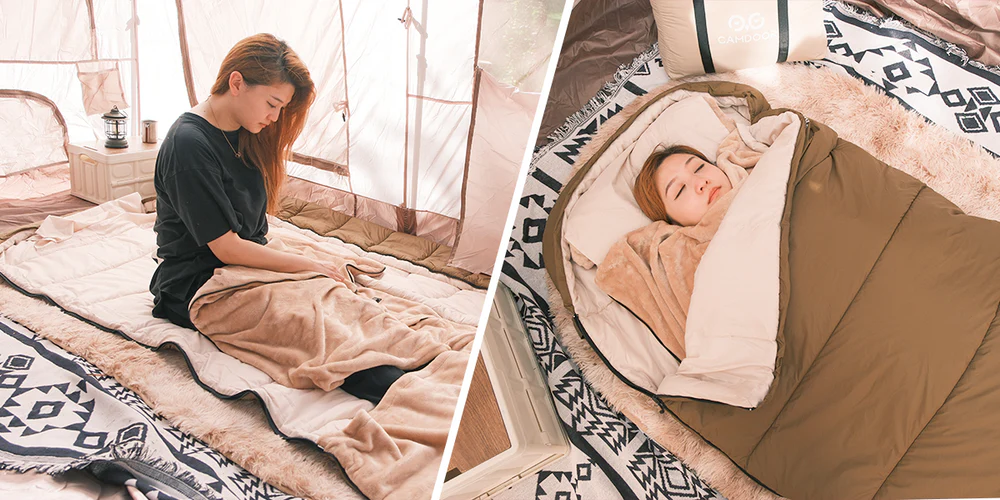
Once the sun sets and temperatures drop, your sleeping system becomes your most important piece of gear. A 寒冷地用寝袋 traps body heat with efficient insulation and prevents drafts through shaped hoods and internal barriers. In freezing environments, it’s essential to use a bag designed specifically for low temperatures; a mild-season bag simply can’t maintain warmth once frost forms on your tent walls. A Camdoor sleeping bag is an example of a winter-oriented design that offers reliable insulation during long, cold nights. Combined with dry sleepwear and proper ventilation inside the tent, a well-chosen sleeping system keeps you warm without trapping excessive moisture.
Effective Ground Insulation
Cold ground is one of the most underestimated sources of heat loss. Even the warmest sleeping bag can’t protect you fully if the ground beneath is absorbing your body heat. Winter campers rely on layered insulation—typically a closed-cell foam pad paired with an insulated インフレータブルパッド. The foam layer blocks conductive heat loss, while the insulated air pad creates additional space between you and the frozen surface. This two-layer approach dramatically improves comfort, reduces overnight heat loss, and helps maintain stable warmth, especially during multi-night stays.
Managing Heat Sources Safely
Supplemental heat can add comfort and security during winter trips, but using it safely is essential. Fires provide warmth, help dry damp gear, and give a psychological boost after a long cold day. Building one in winter requires dry tinder, wind protection, and careful planning before darkness sets in. Inside a tent, open-flame devices should be avoided, but heat packs, hot water bottles, and insulated containers offer safe warmth. A heated bottle placed near your feet or between layers of clothing can help maintain temperature throughout the night without introducing risk. These small, portable heat sources make a noticeable difference in overall comfort.
Shelter Setup for Harsh Conditions
A winter-ready shelter protects you not only from snow and wind but also from condensation—a common issue caused by temperature differences inside and outside the tent. Choosing the right campsite can make or break your night. Areas protected by trees, ridges, or natural barriers help reduce wind exposure, while avoiding low ground prevents cold air from settling around you. Packing snow under the tent creates a firmer, more insulated base. Inside, gear placement helps control drafts and maintain warmth. Ventilation may feel counterintuitive, but proper airflow prevents moisture buildup that could freeze on tent walls and dampen your sleeping system.
Final Thoughts
Cold-weather camping demands more preparation than warm-season trips, but it also rewards you with unique beauty, silence, and experiences that only winter can offer. By combining a flexible layering system, a winter-oriented sleeping setup, effective ground insulation, reliable heat sources, and smart shelter decisions, you can stay warm and safe even in challenging environments. With thoughtful planning, the winter wilderness becomes not a threat, but an extraordinary space waiting to be explored.