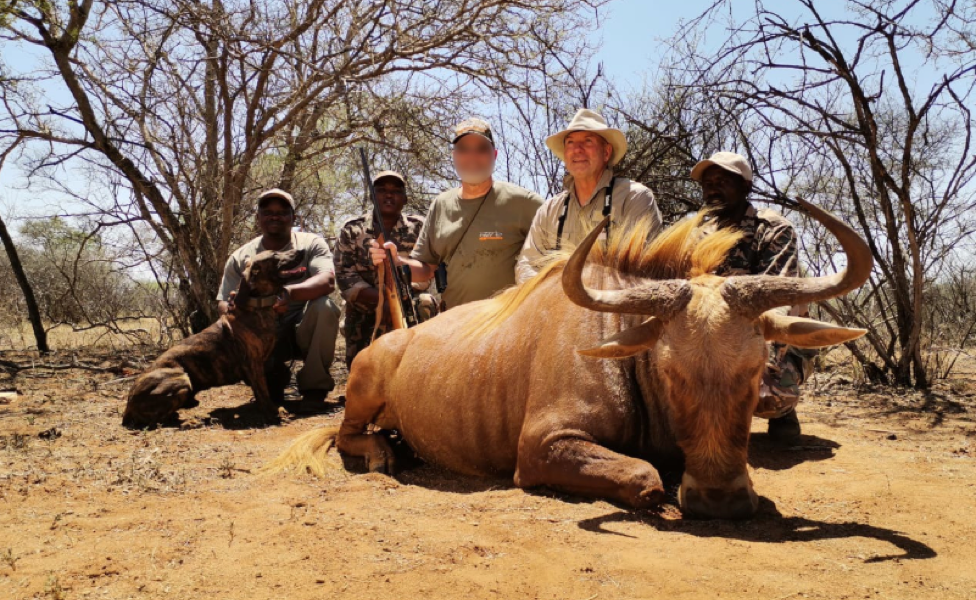

Africa’s vast landscapes stir the soul in ways few other places can. Rolling savannahs, thick jungles, and sun-baked deserts provide the backdrop for some of the most breathtaking wildlife encounters imaginable. For those who embark on the experience of Africa big game hunting, it is not merely about the pursuit, but about immersing oneself in a living, breathing ecosystem where each creature plays a vital role. The practice, steeped in history, has evolved over time, shaped by both cultural values and the pressing need for wildlife conservation.
The moment one steps into the African wild, the sense of scale and power is palpable. Everything from the distant rumble of hooves to the still gaze of a predator serves as a reminder that this terrain belongs first to the animals. Whether it’s the early morning call of a bird or the distant silhouette of an elephant against the amber horizon, the environment speaks—one only has to listen.
Understanding the Purpose—Beyond the Trophy
Though often misunderstood, Africa game hunting, when regulated properly, plays a role in preserving ecosystems and supporting local communities. It is important to separate responsible, ethical hunting from illegal poaching or exploitative tourism. In certain regions, controlled hunting creates financial incentives for wildlife protection and deters land from being converted to agriculture or development. When land is managed as a conservation area, species benefit from dedicated monitoring and habitat management.
Professional outfitters and local game authorities collaborate to establish quotas and restrictions, ensuring that hunting activities do not upset the delicate balance of biodiversity. Revenue generated through permits, taxes, and employment supports both wildlife management and the people who live closest to the animals. It’s a complex relationship, where survival, of species and of human livelihoods, is interconnected.
The Cultural and Historical Layers of the Experience
Africa’s relationship with hunting stretches back through centuries, woven into tribal traditions, colonial history, and modern conservation debates. Long before regulated safaris existed, indigenous communities depended on wildlife for sustenance, rituals, and trade. Over time, the image of the hunter transformed, from local providers to European adventurers to modern conservation-minded sportsmen.
Today’s hunters often see themselves not as conquerors but as stewards of the wild. They seek out the experience not for mere glory, but for a deeper connection to nature’s raw power and an appreciation for the life that exists beyond the borders of cities and screens. For many, the journey is as spiritual as it is physical—a way to step back in time, even briefly, and honour the natural rhythms of life and death in the animal kingdom.
Embracing Responsibility—Ethics Over Ego
What sets meaningful Africa big game hunting apart is not the size of the animal, but the depth of respect shown throughout the process. Ethical hunters do their research, follow regulations, and engage with local knowledge. They understand that every decision made in the field carries weight—whether choosing a particular location, targeting an ageing bull, or helping gather data for conservation research.
Ethical considerations extend far beyond the hunt itself. Respect for the animal is shown through how it is tracked, how quickly and humanely it is brought down, and how its remains are used. In many operations, meat from the hunt is distributed among local villagers, while bones and hides find uses that honour traditional practices.
Understanding the significance of such responsibilities adds depth to the experience. It transforms the act from a fleeting thrill into something more enduring, a contribution to preserving what makes Africa’s wilderness so compelling in the first place.
Reflections in the Dust—A Legacy Worth Protecting
In the end, the value of big game hunting is not only measured by what is taken, but by what is left behind. The footprints on the ground, the stories shared around campfires, the photographs that capture moments too vast for words, all serve as reminders of the fragility and majesty of the natural world.
For many who participate, the journey becomes a point of reflection. Questions arise, about balance, about impact, about the future of Africa’s ecosystems in a fast-changing world. But perhaps the most important realisation is this: nature is not a stage for entertainment, but a living system we are part of, and responsible for.
Whether one agrees with the practice or not, understanding it in its full context, ecological, economic, cultural—is essential. At its best, Africa big game hunting becomes a lesson in humility, a test of ethics, and a tribute to the awe-inspiring beauty of the wild places still left on Earth.